

What Is a Freight Mover? A Simple Guide for Shippers
November 5, 2025 Freight
What is a Freight Mover?
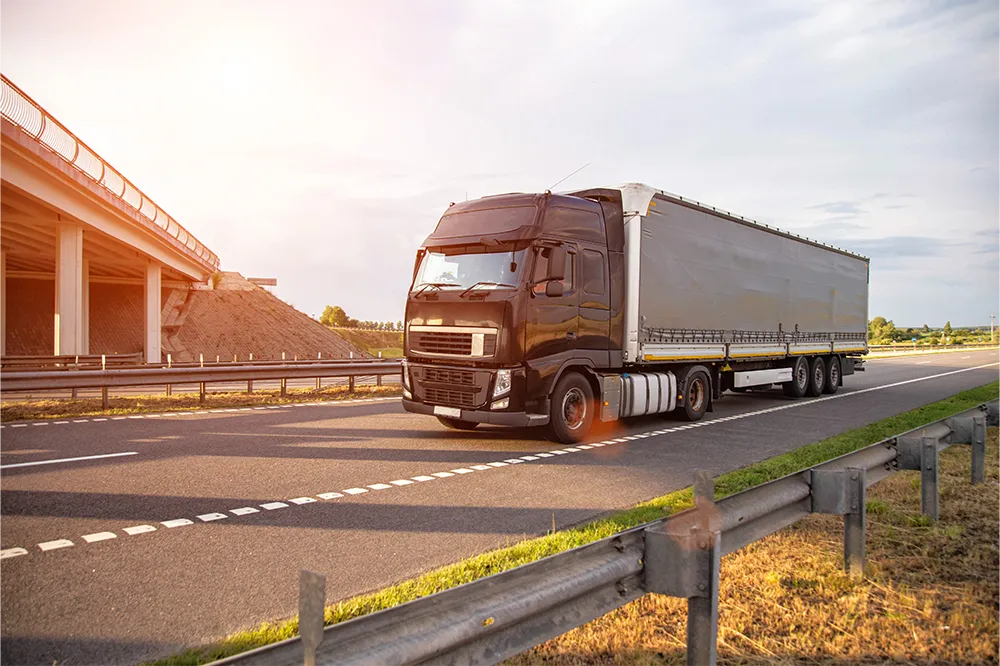
A freight mover is a professional or company that arranges, manages, and oversees the transportation of commercial cargo. In short, they make sure goods move safely, legally, and efficiently from point A to point B. Think of them as your logistics point person. They coordinate carriers, pick the best routes, arrange the right trailer or container, and manage timing so your goods arrive as planned. For international moves, they also handle export forms and customs documents, so you don’t lose time at the border. Understanding what a freight mover does helps businesses reduce shipping mistakes, avoid delays, and choose the right service for their cargo.
What does that look like day to day? They price routes, reserve space with trusted carriers, and schedule pick up and delivery windows. They set up load securement, chains, straps, and binders that meet FMCSA rules, then share updates while the freight is in transit. Many freight movers also help with warehousing, packing, and special handling. If your cargo is oversized or heavy, they plan permits, escorts, and safe routing to keep the job compliant.
You’ll hear related terms such as broker, carrier, and forwarder. A broker arranges transportation with a motor carrier and keeps the paperwork moving. A carrier owns the trucks and trailers. A freight forwarder can act as an organizer and may take possession of goods, especially with international or multi‑mode moves. A full‑service freight mover often blends those roles so you have one contact from quote to delivery.
Save On Transport fits that role for many shippers. The team coordinates heavy equipment, containers, boats, farm machinery, RVs, and oversized loads across the U.S., and handles permits and routing when dimensions go beyond standard legal limits.
The Difference Between Freight Movers and Regular Movers
Freight movers focus on commercial cargo and large items, not couches and family photo albums. You’ll see bigger equipment, stricter safety rules, and added steps like permits or customs forms. Regular movers handle residential belongings and usually operate within a city or region with different licensing and insurance.
Why does this matter to you? Freight movers carry operating authority for cargo transport and work under FMCSA and DOT rules that cover weight, securement, and hours of service. They source the right equipment, lowboys, step‑decks, flatbeds, or specialized trailers, so your shipment rides safely. Regular movers aren’t set up for bulldozers, shipping containers, or cranes. If your freight needs straps, chains, escorts, or a pilot car, you’re in freight territory, not household moving.
What is Transported Through Freight
Freight covers almost anything a business ships: parts, machinery, materials, finished goods, and project cargo. On the heavier side, that includes bulldozers, excavators, loaders, cranes, and tractors. You can also move boats and yachts, shipping containers (loaded or empty), agricultural machinery, RVs, and 5th wheels. If it’s too big for a standard box truck, it likely moves as freight.
There are a few common ways shipments move:
- LTL (less‑than‑truckload): Your cargo rides with other freight. It’s budget‑friendly for lighter or smaller items.
- FTL (full truckload): The trailer is yours alone. Good for large volumes, faster timelines, or fragile items.
- Heavy haul and oversized: Anything wider than about 8.5 feet, taller than 13.5 feet, or over legal weight needs permits, routing, and sometimes escorts.
- Intermodal and international: Containers move by truck, rail, and vessel, with customs paperwork handled along the way.
What about securement and protection? Heavy equipment is chained and strapped to FMCSA standards to prevent shifting. Boats may be shrink‑wrapped and supported with custom blocks. Containers lock to chassis with twist locks. For high‑value items, some shippers add tarps, GPS check‑ins, or photo reports at pickup and drop‑off. The goal is simple: arrive in the same shape as pickup, without surprises.
How To Choose the Right Freight Mover
Start with fit. Has the mover handled your cargo type, heavy equipment, boats, containers, or farm machinery, within the last year? Ask for recent photos, routes, and references. Experience with your load size and weight means fewer hiccups and better route planning. If your load is oversized, confirm they arrange permits, escorts, and safe detours around low bridges or weight‑restricted roads.
Check credentials. Look up their MC number, insurance, and safety record. Confirm the carriers they assign are licensed, bonded, and insured. Ask how they secure loads (chains, straps, binders) and who signs off on inspections at pickup and delivery. If you’re crossing borders, confirm they prepare customs forms and work with bonded carriers.
Match the equipment. You want the right trailer the first time: lowboy for tall, heavy machines: step‑deck for high items that won’t clear a standard flatbed: flatbed for crated equipment or containers. For inoperable RVs or vehicles, ask about winch‑equipped trailers and drive‑on gear. If you need storage, see if short‑term warehousing is available near pickup or delivery.
Price the move, then test the process. Request a written quote that lists pickup and drop‑off locations, dimensions, weight, equipment type, lead time, transit window, and what’s included, permits, tarps, escorts, tolls, and fuel. How will you get updates, text, email, or a call? Who answers after hours? Fast, clear answers now save time later.
Red flags to avoid? Vague pricing, no MC number, no proof of insurance, or pressure to pay everything up front. Good movers take a deposit to schedule, with the balance due at delivery. Transparency builds trust, and helps you keep your project on schedule.
